
Roofing Job Leads for Contractors
GetRoofingPrices.co.uk generates enquiries from homeowners, landlords and property owners across the UK who are actively looking for prices for roofing repairs and replacements.
The enquiries cover a wide range of domestic roofing work, including garage roof replacements, bay window roof repairs, pitched roof felt replacement, lead flashing repairs, roof valley work and ridge tile repairs.
If you are a roofer, builder or property maintenance contractor looking for more work in your local area, joining the contractor network could help you connect with customers who already have a roofing project in mind.
Rather than spending all of your time on advertising, social media or chasing recommendations, you can receive details from people who have completed an online enquiry and asked to hear from suitable roofing professionals.
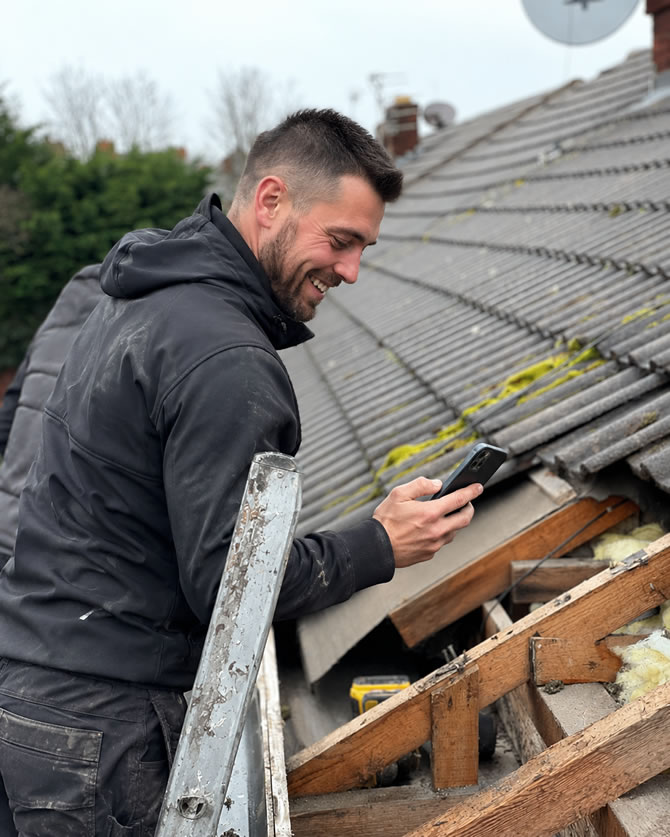
The contractor network is managed by Leads Do Work. Matching roofing leads can be delivered through the Leads Do Work mobile app, by email and through your online contractor account.
Each lead is an opportunity to contact a potential customer, discuss the work and provide your own quotation. There is no guarantee that every lead will become a job, as the homeowner remains free to compare contractors and choose who they wish to hire.
What Is a Roofing Lead?
A roofing lead is an enquiry submitted by a customer who is looking for help with a roofing problem or planned roofing project.
The customer will normally provide details such as their postcode, contact information, the type of roofing work required and a short description of the problem. Some customers may also provide photographs or measurements.
Depending on the type of enquiry, you may receive information about:
- The roofing service requested.
- The location of the property.
- The customer's preferred timescale.
- The approximate size of the roof or damaged area.
- The existing roof covering.
- Whether the roof is currently leaking.
- Whether the customer wants a repair or complete replacement.
- Any photographs or additional notes supplied by the customer.
You can then contact the customer directly, introduce your business and ask any additional questions needed before arranging a quotation.
Types of Roofing Leads Available
GetRoofingPrices.co.uk focuses on common domestic roofing services where homeowners often want to compare prices from more than one local contractor.
The number and type of leads available will vary depending on customer demand, season, location and the services selected within your account.
Garage Roof Replacement Leads
Garage roofs regularly need repairs or replacement because the existing covering has cracked, split, lifted or reached the end of its useful life.
Garage roofing enquiries may include:
- Removing and replacing old garage roofing felt.
- Installing EPDM rubber garage roofing.
- Installing GRP fibreglass roofing systems.
- Fitting torch-on felt to a garage roof.
- Replacing rotten or water-damaged roof decking.
- Repairing leaking garage roof edges and trims.
- Repairing storm-damaged garage roofs.
- Renewing roof coverings on single and double garages.
- Replacing roof boards before fitting a new covering.
- Flat garage roof inspections and maintenance.
These leads may suit general roofers, flat roofing specialists, EPDM installers, felt roofers and GRP contractors.
Bay Window Roof Leads
Bay window roofs are usually small, but they often involve detailed waterproofing around walls, corners, frames and flashings.
Bay window roofing enquiries may include:
- Finding and repairing a bay window roof leak.
- Replacing old lead sheet roofing.
- Installing EPDM on a bay window roof.
- Installing a GRP fibreglass covering.
- Repairing or replacing worn roofing felt.
- Repairing flashings around bay window frames.
- Replacing rotten timber beneath the covering.
- Repairing small tiled bay window roofs.
- Renewing trims, joints and wall abutments.
- Replacing repeatedly patched bay roofs.
Some customers may only require a local repair, while others will be looking for a complete replacement using lead, felt, EPDM or fibreglass.
Roof Felt and Underlay Replacement Leads
Older pitched roofs often contain bitumen-based felt beneath the tiles or slates. Over time, this underlay can become brittle, torn or damaged around battens and fixings.
Roof felt and membrane enquiries may include:
- Replacing damaged felt beneath pitched roof tiles.
- Installing a modern breathable roofing membrane.
- Stripping and relaying roof tiles with new underlay.
- Replacing damaged roof battens during the work.
- Renewing roof underlay following storm damage.
- Replacing felt beneath slate roofs.
- Repairing local sections of torn underlay.
- Renewing felt on dormers and extensions.
- Replacing underlay where water enters during driving rain.
- Full pitched roof strip and re-cover projects.
These projects may lead to additional work where the contractor discovers damaged tiles, battens or timbers during inspection.
Lead Flashing Repair Leads
Lead flashing protects the joints around chimneys, rooflights, walls, dormers and other roof details. When the lead becomes loose, split or poorly pointed, water can enter the roof space.
Leadwork enquiries may include:
- Repointing loose chimney flashing.
- Replacing cracked or displaced step flashing.
- Renewing chimney soakers and cover flashing.
- Repairing leadwork around rooflights and skylights.
- Replacing flashing where a roof meets a wall.
- Repairing lead around dormer roofs.
- Replacing failed mortar-based flashing details.
- Repairing split or weathered lead sheet.
- Renewing leadwork around extensions.
- Replacing poorly installed flashing.
These leads may be suitable for general roofers as well as contractors who specialise in traditional leadwork and chimney repairs.
Roof Valley Repair Leads
Roof valleys carry a large amount of rainwater from adjoining roof slopes. Even a small fault can lead to significant water ingress, making valley repairs an important source of roofing work.
Roof valley enquiries may include:
- Repairing or replacing failed lead valleys.
- Installing new GRP valley liners.
- Removing and replacing mortar-filled valleys.
- Clearing valleys blocked by moss and debris.
- Replacing cracked valley tiles.
- Repairing valleys following storm damage.
- Removing and relaying tiles around a valley.
- Repairing leaks at valley junctions.
- Replacing corroded or split valley material.
- Investigating recurring valley leaks.
Some enquiries will involve a straightforward repair, while others may require the valley and surrounding roof covering to be stripped and renewed.
Ridge Tile Repair Leads
Ridge tiles can become loose when the bedding mortar cracks, shrinks or fails. Storm damage may also dislodge or break individual tiles.
Ridge tile enquiries may include:
- Repointing cracked ridge tile mortar.
- Rebedding loose or displaced ridge tiles.
- Replacing broken ridge tiles.
- Installing dry ridge systems.
- Repairing and rebedding hip tiles.
- Replacing ridge tiles damaged by storms.
- Renewing a full run of ageing ridge tiles.
- Repairing leaks around the ridge line.
- Converting mortar-fixed ridges to dry-fix systems.
- Replacing damaged fixings and ridge components.
General Roofing Leads
Alongside the main services listed above, contractors may also receive enquiries for other common roofing work.
- General leaking roof repairs.
- Missing tile replacement.
- Broken slate replacement.
- Flat roof repairs and replacement.
- Storm damage repairs.
- Roof verge and mortar repairs.
- Chimney and flashing work.
- Roof inspections and reports.
- Temporary weatherproofing.
- Emergency roofing repairs.
- Guttering, fascia and soffit work.
- Small roof replacements.
- Extension and outbuilding roof repairs.
Who Can Join the Roofing Contractor Network?
The network is designed for established roofing contractors and growing trades businesses that want to receive more enquiries within their chosen working area.
Applications may be suitable for:
- General roofing contractors.
- Flat roofing specialists.
- Felt roofing contractors.
- EPDM rubber roofing installers.
- GRP fibreglass roofing specialists.
- Leadworkers and flashing specialists.
- Chimney repair contractors.
- Builders who regularly carry out roofing projects.
- Property maintenance businesses with roofing experience.
- Small local roofing teams.
- Sole traders.
- Larger roofing companies covering several postcode areas.
You should only select work categories that your business has the experience, equipment and skills to complete properly.
Contractor Requirements
Customers using GetRoofingPrices.co.uk are encouraged to check each roofer before agreeing to any work. For that reason, contractors should be prepared to provide clear information about their business and previous experience.
You may be asked to provide:
- Your full business name.
- Your trading address and contact details.
- Details of the roofing services you offer.
- The postcode areas or travel distance you cover.
- Proof of suitable public liability insurance.
- References from previous customers.
- Photographs or examples of completed work.
- Details of relevant qualifications or trade memberships.
- Information about how long the business has been trading.
Holding suitable insurance and being able to show previous work can help customers feel more confident when comparing quotations.
How the Roofing Lead Service Works
The roofing lead service is designed to give contractors control over the services and locations they wish to target.
-
Create a contractor account
Register through Leads Do Work and provide basic information about your roofing business.
-
Select your roofing services
Choose the types of roofing enquiries you are interested in, such as garage roofing, lead flashing, roof valleys or ridge tile repairs.
-
Choose your working areas
Select the postcode areas, towns or travel radius that your business covers.
-
Select a lead option
Choose a suitable lead pack or service based on the number of enquiries your business wants to receive.
-
Receive matching leads
When a suitable customer enquiry becomes available, the details can be delivered through the mobile app, email and contractor dashboard.
-
Contact the customer
Call the customer promptly, introduce your business and discuss the work they require.
-
Arrange an inspection or quotation
Ask for photographs or measurements where useful, and arrange a property visit when a closer inspection is needed.
-
Provide your quotation
Prepare your own price and explain the proposed work, materials, timescale and guarantee directly to the customer.
-
Win and complete the work
If the customer accepts your quotation, the agreement is made directly between your roofing business and the customer.
How Roofing Leads Are Delivered
Speed matters when dealing with homeowner enquiries. For this reason, matching leads are delivered as quickly as possible after the customer submits their details.
Depending on your account settings, leads may be available through:
- The Leads Do Work mobile app.
- Email notifications.
- Your online contractor dashboard.
- Optional CRM integrations for suitable accounts.
The lead information should be reviewed carefully before contacting the customer. Reading the enquiry first allows you to understand the main problem and begin the conversation in a more professional way.
Roofing Lead Packs
Leads Do Work offers several lead pack sizes to suit different types of roofing business.
5-Lead Pack
A smaller pack can suit new members, sole traders or contractors who want to test the service before committing to a larger number of enquiries.
10-Lead Pack
A 10-lead pack may suit established roofers looking for a more regular supply of additional local opportunities.
20-Lead Pack
A larger lead pack may be suitable for roofing companies with several teams, wider coverage areas or capacity for more enquiries.
Current prices, account options, availability and full terms can be viewed during registration at leads.work.
What Happens After You Receive a Lead?
Once a lead reaches your account, you should review the information and contact the homeowner as soon as reasonably possible.
A good first conversation should help you confirm:
- The exact type of roofing problem.
- Where the damage is located.
- Whether the roof is currently leaking.
- The age and material of the roof.
- Whether the customer wants a repair or replacement.
- Whether photographs are available.
- The property's access arrangements.
- The customer's preferred timescale.
- Whether a site visit is required.
Some straightforward jobs may be suitable for an initial estimate based on photographs and measurements. However, most roofing work benefits from a site inspection before you provide a fixed quotation.
Tips for Converting Roofing Leads into Jobs
Respond Promptly
Homeowners requesting roofing prices may be contacted by more than one contractor. Calling quickly gives you a better chance of speaking to the customer while the enquiry is still fresh.
If the customer does not answer, leave a short and professional message explaining who you are and why you are calling.
Read the Enquiry Before Calling
Review the job description, postcode and any supplied notes before making contact. This avoids asking the customer to repeat information they have already provided.
Opening the conversation with a reference to their specific roofing problem can also show that you have taken the time to understand the enquiry.
Introduce Your Business Clearly
Tell the homeowner your name, business name and the type of roofing work you carry out. Explain that you are calling about the roofing price request they submitted online.
A clear introduction can reduce confusion and make the customer more comfortable discussing the project.
Ask Useful Questions
Good questions can help you decide whether the project suits your business and whether a visit is worthwhile.
For example, ask when the problem started, whether water is entering the property and whether any previous repairs have been attempted.
Ask for Photographs
Photographs of the full roof, damaged area and access route can help you understand the likely work before travelling to the property.
They may also help you prepare the right equipment and materials for an inspection.
Arrange Visits Quickly
When a site visit is needed, try to offer the customer a clear choice of dates and times. Confirm the appointment by text or email where possible.
Turning up on time and communicating clearly can make a strong first impression.
Provide a Detailed Written Quotation
A clear quotation makes it easier for the customer to understand and compare your offer.
Your quotation should normally include:
- The area of roof being repaired or replaced.
- The existing materials being removed.
- The new roofing materials being installed.
- Any timber, battens or decking included.
- Scaffolding or access equipment.
- Waste removal and disposal.
- The estimated start date.
- The expected duration of the work.
- The total price and VAT status.
- The deposit and payment terms.
- The workmanship or material guarantee.
Follow Up Professionally
If the customer has not responded after receiving your quotation, a polite follow-up call or message may help.
Avoid placing too much pressure on the homeowner. A simple message asking whether they have any questions is usually more effective.
Why Some Roofing Leads Do Not Convert
Not every lead will result in paid work. This is normal with any form of marketing or customer enquiry service.
A customer may decide to delay the work, choose another contractor, change the project or decide that the price is outside their budget.
Other factors may include:
- The customer receiving a faster response from another roofer.
- The work not matching your selected service area.
- The property being outside your normal travel distance.
- The homeowner only seeking an early price estimate.
- The customer choosing a recommendation from a friend or relative.
- Your quotation being higher than competing prices.
- The proposed timescale not matching the customer's needs.
Roofing leads should be treated as sales opportunities rather than guaranteed jobs. Contractors who respond quickly, communicate well and provide clear quotations are more likely to achieve stronger results.
Benefits of Joining the Leads Do Work Network
- Active homeowner enquiries — speak to people who have already requested roofing prices.
- Local targeting — choose the postcode areas and locations you want to cover.
- Service selection — receive enquiries for roofing categories that match your business.
- Flexible lead options — choose a lead pack suitable for your current workload.
- Real-time lead delivery — receive matching enquiries through the app and email.
- Online account access — manage available opportunities through your contractor dashboard.
- Suitable for different business sizes — from sole traders to established roofing companies.
- Direct customer contact — speak to homeowners and arrange your own quotations.
- No commission on completed work — your contract is agreed directly with the homeowner.
Your Agreement Is Directly with the Customer
Leads Do Work and GetRoofingPrices.co.uk provide the introduction between the contractor and homeowner.
Your business remains responsible for contacting the customer, inspecting the roof, preparing the quotation and completing any agreed work.
If the customer accepts your quotation, the contract is made directly between your business and the customer. You are responsible for agreeing the scope, price, payment schedule, materials, timescale and guarantee.
GetRoofingPrices.co.uk does not set roofing prices, supervise projects or collect payment from homeowners on behalf of contractors.
Register to Receive Roofing Leads
To apply to join the contractor network, visit leads.work and complete the registration process.
You will need to provide information about your roofing business, the services you offer and the locations you wish to cover.
Once your account has been approved and set up, you can choose a suitable lead option and begin receiving matching roofing enquiries when they become available.
Lead volumes cannot be guaranteed and will depend on homeowner demand, season, location, selected services and the number of active contractors in the area.
Frequently Asked Questions for Roofing Contractors
What areas are covered?
Homeowner roofing enquiries are generated from across the UK. Availability varies by postcode, service type, season and local customer demand.
Do I need public liability insurance?
Roofing contractors should hold suitable public liability insurance for the work they carry out. Homeowners are encouraged to request current proof of cover before appointing a roofer.
How many contractors receive each roofing lead?
A homeowner enquiry may be matched with up to four suitable contractors. In some locations or specialist categories, fewer contractors may receive the enquiry.
Can I choose the areas I cover?
Yes. You can select the postcode areas, towns or travel distance that suit your business. Availability will depend on the account options offered during registration.
Can I choose which roofing services I receive?
Yes. You can select roofing categories that match your skills and experience. You should only choose services that your business can complete safely and professionally.
How quickly should I contact a roofing lead?
You should contact the customer as soon as possible. Homeowners requesting prices may speak to several contractors, so a prompt response can improve your chances of arranging a visit.
Are roofing jobs guaranteed?
No. A lead is an opportunity to speak to a potential customer. The homeowner decides whether to proceed and which contractor, if any, they wish to appoint.
What lead pack sizes are available?
Lead packs of 5, 10 and 20 enquiries may be available. Current options, pricing and terms can be checked during registration through Leads Do Work.
How are the leads delivered?
Matching enquiries can be delivered through the Leads Do Work mobile app, email and the online contractor dashboard.
Can I provide an estimate from photographs?
Yes, where appropriate. However, you should make clear whether the figure is an estimate or a fixed quotation. Many roofing projects will still require a site inspection.
Do you take a percentage of the completed job?
The agreement for roofing work is made directly between the contractor and customer. Any lead charges or account fees are separate from the value of the completed job.